







Turning wastewater into supply chains.

Metal Morph recovers aluminium and iron-based chemicals from water and wastewater treatment, so utilities and industries can recycle what they once disposed of.

In numbers

26% Opex Reduction

89% CO2 Reduction

90% Recovery

See overview

Supported by:

Logo of Anglian Water
logo of Severn Trent
Logo of Thames Water
logo of Sustainable Ventures
logo of Green Angel Ventures
Logo of Aqcelerator
logo of Found Capital
logo of Water Discovery Challenge
logo of Cranfield Univeristy
logo of Royal Academy of Engineering
logo of Royal Society of Chemistry
Logo of Anglian Water
logo of Severn Trent
Logo of Thames Water
logo of Sustainable Ventures
logo of Green Angel Ventures
Logo of Aqcelerator
logo of Found Capital
logo of Water Discovery Challenge
logo of Cranfield Univeristy
logo of Royal Academy of Engineering
logo of Royal Society of Chemistry
Logo of Anglian Water
logo of Severn Trent
Logo of Thames Water
logo of Sustainable Ventures
logo of Green Angel Ventures
Logo of Aqcelerator
logo of Found Capital
logo of Water Discovery Challenge
logo of Cranfield Univeristy
logo of Royal Academy of Engineering
logo of Royal Society of Chemistry

The cost, carbon & supply squeeze

Aluminium and iron-based chemicals are essential for water and wastewater treatment. Yet, operators buy them, use them and then pay to dispose of them. This linear model is not commercially viable.

Cost: Over the last ten years, the trough-to-peak difference in aluminium ore prices was 176% while the trough-to-peak difference in iron ore prices was 468%. Every price increase lands directly in treatment costs.

Carbon: Chemicals account for 3-13% of total greenhouse gas emissions from water and wastewater treatment plants. Decarbonisation goals cannot be met by procuring virgin treatment chemicals.

Supply: Disruptions to major shipping routes, elevated natural gas prices, more stringent water quality and resource recovery regulations. These are just some shocks and stresses impacting metal and chemical supply chains.
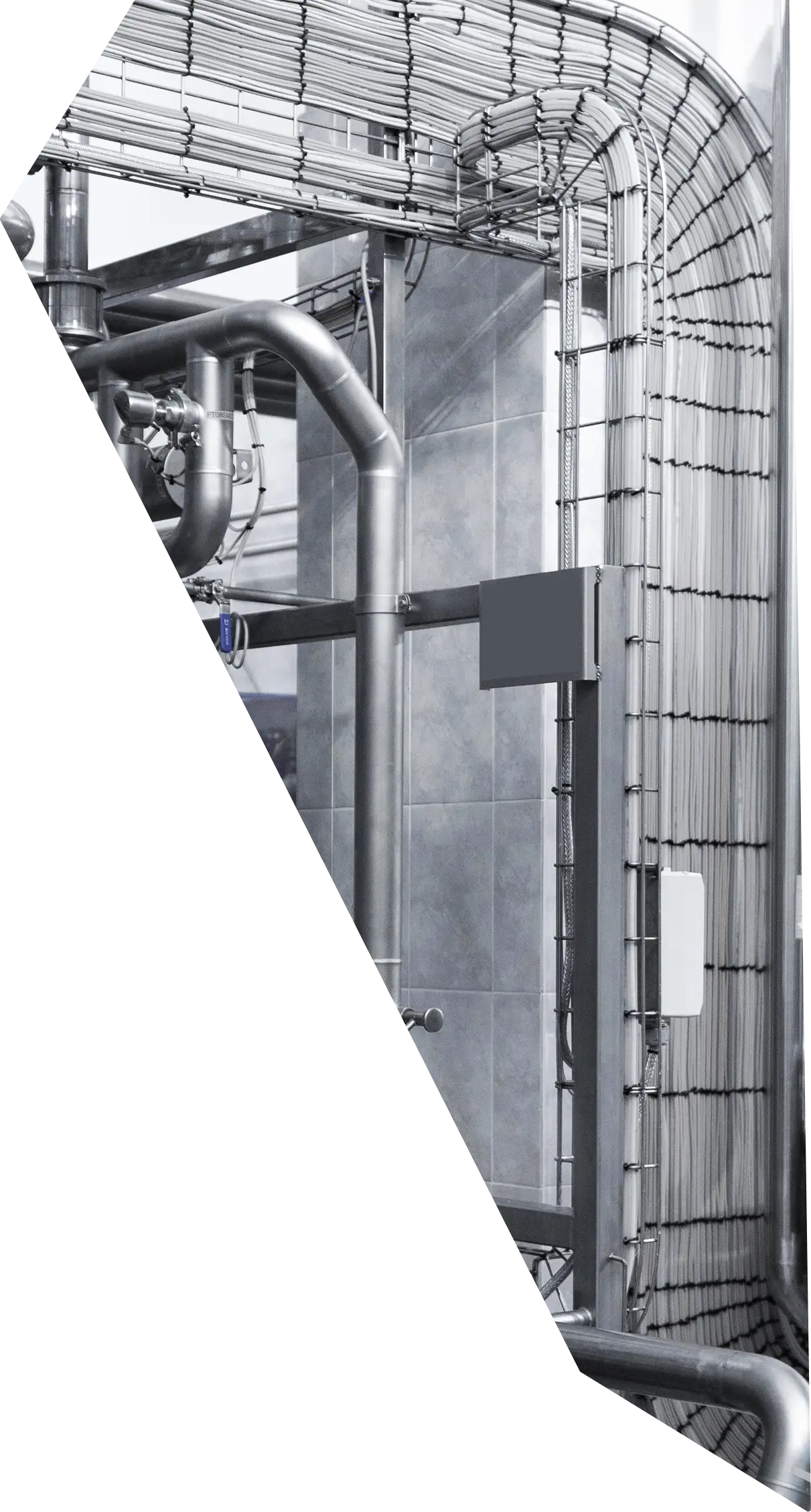
A geometric logo inspired shape filled with an image of an oreA geometric logo inspired shape filled with an image of a coagulant
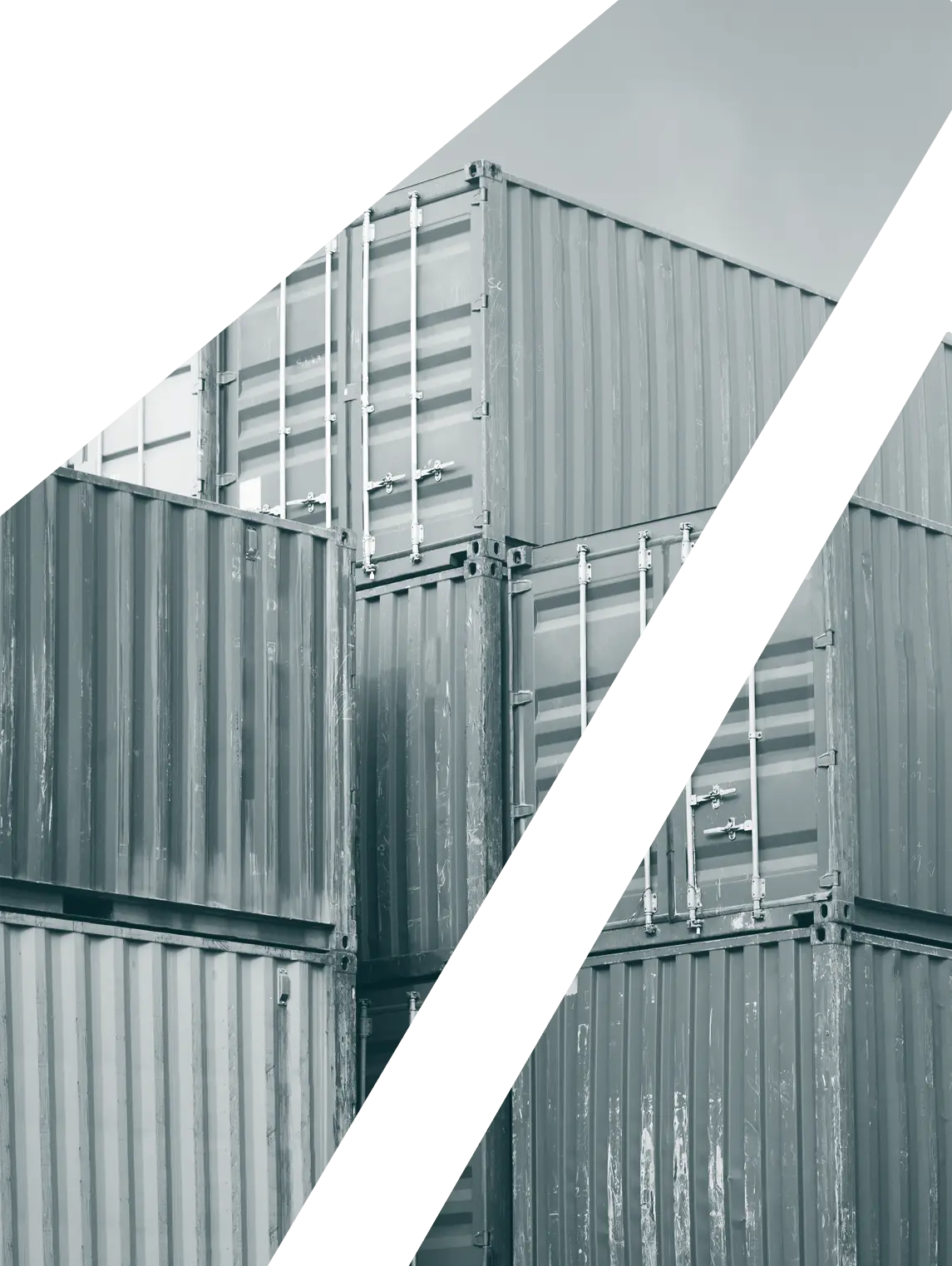
A geometric logo inspired shape filled with an image an industrial buildingA geometric logo inspired shape filled with an image of shipping containers

How it works

Metal Morph’s patent-pending technology recovers spent water and wastewater treatment chemicals - known as coagulants - from residuals in four stages. The technology is deployed onsite in modular, containerised units that are retrofit compatible.

1.

Extraction: Acid leaches the target metals in the water or wastewater treatment residuals stream, which contains the spent coagulants.

2.

Separation: Donnan dialysis transports the metal ions across a highly selective ion exchange membrane, driven entirely by an electrochemical potential gradient.

3.

Reactivation: Nanofiltration recovers the process acid for reuse in leaching, cutting operating costs.

4.

Recycle (optional): Recovered coagulant is purified to specification for dosing back into the same or an adjacent treatment process.

Delivered as Infrastructure-as-a-Service

Procure

  • A zero capex option for utilities.
  • No capital project and associated procurement.
  • Multi-site deployment opportunity across regional portfolios.

Term

  • Five-year operational contracts with a stable opex line for coagulants.
  • Replaces current chemical prices that track volatile metal markets.

Integrate

  • Modular, containerised, retrofitable units.
  • Four main connection points: power supply, residuals in, recovered coagulant out and de-coagulated residuals out.

26%

reduction in coagulant procurement and disposal

89%

reduction in coagulant supply chain emissions

(LCA revision is in progress)

90%

of spent coagulants recovered

95%

purity of recovered chemicals

30%

reduction in coagulation waste by mass

Results from 50+ lab tests across three drinking water treatment plants, with feedstocks varying in coagulant ratios, organic content and water content.

Validation

European Patent Office has confirmed technology novelty.

Cranfield University is independently validating the technology.

Partnerships

Agreements in place with six UK water utilities, covering 56% of the UK water market.

In discussion with other UK, EU and US partners.

Investment

Pre-seed closed in 2026, co-led by Sustainable Ventures and Green Angel Ventures, with Aqcelerator and Found Capital participating.

Seed round to open in 2027.

Grants

Awarded an innovation grant by Ofwat - the UK’s water services regulator.

Recognition

logo of the Royal Academy of Engineering

Leaders in Innovation Fellow 2024

logo of the Royal Society of Chemistry

Emerging Technologies 2026 Environment Category Finalist

logo of the World Bank Group

Innovation Challenge 2024 Winner

logos of Isle Utilities & University Of Brescia

Water Innovation Living Labs 2023 Winner

Testimonials

Metal Morph addresses a critical blind spot in municipal and industrial infrastructure. Deployed successfully, the team will transform water and wastewater treatment processes into active resource recovery facilities, creating a brilliant circular economy in the process. It’s an urgently needed solution to an increasingly complex problem.”

Josh Armistead-Wood, Investor, Sustainable Ventures

“The early interest in Metal Morph reflects the growing pressure on water utilities and industrial operators to curb rising costs while improving sustainability. The company’s differentiated process enables the recovery of essential materials at high purity, with the potential to deliver meaningful commercial and environmental benefits across the water sector and beyond.”

Cam Ross, CEO at Green Angel Ventures

"We believe this innovation aligns closely with our priorities of enhancing resilience, reducing costs, and lowering the carbon footprint associated within our water treatment operations."

Project Manager, UK Water Utility

"Metal Morph is developing a groundbreaking, patent pending technology aimed at transforming the water treatment industry through resource recovery."

Innovation Projects Manager, UK Water Utility

What we do now. Coagulant recovery.

The same aluminium and iron-based chemicals (coagulants) are used across many different industries for water and wastewater treatment.

Water utilities

Oil and gas

Fast moving consumer goods

Mining

What we'll do next. Metal recovery.

Technology adaptations could recover aluminium and iron from industrial wastewater streams currently uneconomical to extract from.

Mining

Metal processing

Moletsane Mophethe

Moletsane Mophethe

Founder & CEO

  • Metal Morph process inventor
  • Former engineering consultancy CEO
  • Led multiple turnkey water projects
logo if LinkedIn
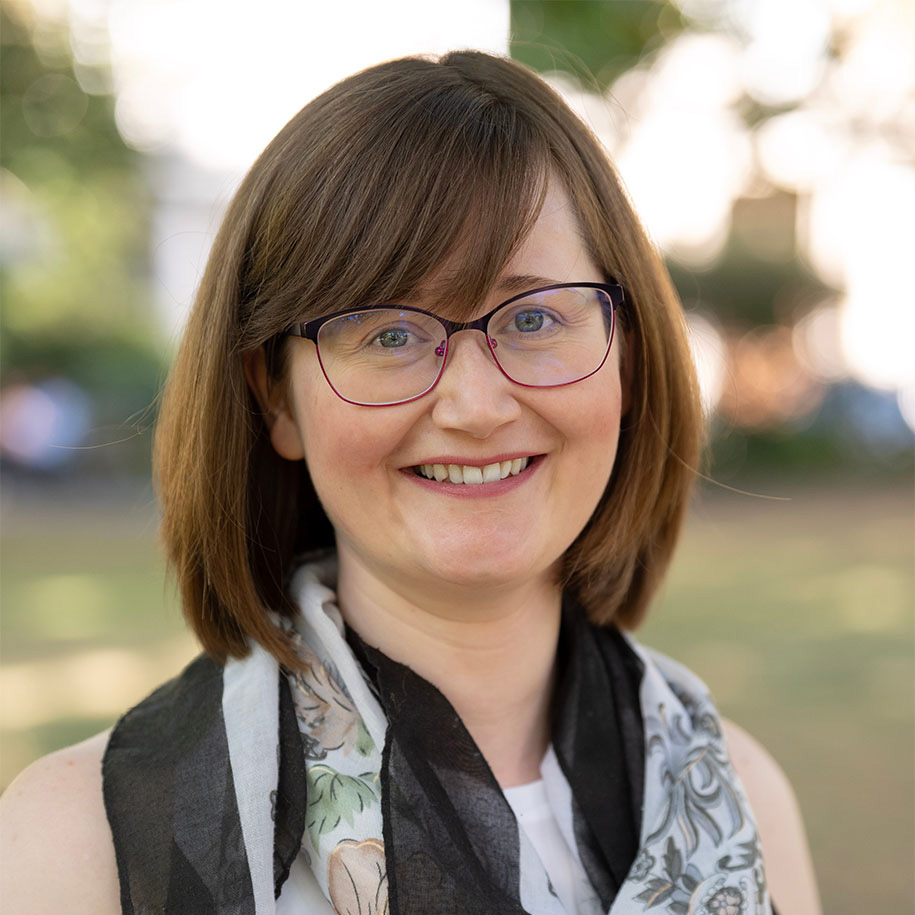
Dr Aránzazu Carmona-Orbezo

Dr Aránzazu Carmona-Orbezo

Head of Technology

  • Chemical engineer and electrochemist
  • Former Co-Founder and CTO of Parallel Carbon
  • FiR at Deep Science Ventures
logo if LinkedIn

Team

A multidisciplinary team covering resource recovery, water infrastructure, commercialisation and scaling. Experience from Arup, Bloomberg, British Water, Deep Science Ventures, Imperial College London, Miller Center for Global Impact and StartX.

Dr Ziyin Chen

Dr Ziyin Chen

Senior Pilot Engineer

  • R&D chemical engineer
  • Former Senior R&D Engineer at DyeRecycle
  • Built pilot for BEIS-funded HyPER project
logo if LinkedIn
Dr Grace Anne Lowe

Dr Grace Anne Lowe

Head of Science

  • Electrochemistry postdoc
  • Posts at Imperial, Uni Ulm and UvAmsterdam
  • Worked on R&D with 5 startups
logo if LinkedIn
Devni Acharya

Devni Acharya

Chief of Staff

  • 13 years in circular economy, waste and climate
  • Former global circular economy leader at Arup
  • Managed £2m pilot project at Sustainable Ventures
logo if LinkedIn
Christoph Siebert

Christoph Siebert

Commercial Advisor

  • 20+ years in venture building
  • Stanford Seed, StartX and Miller Centre advisor
  • Successful exits as co-founder and investor
logo if LinkedIn
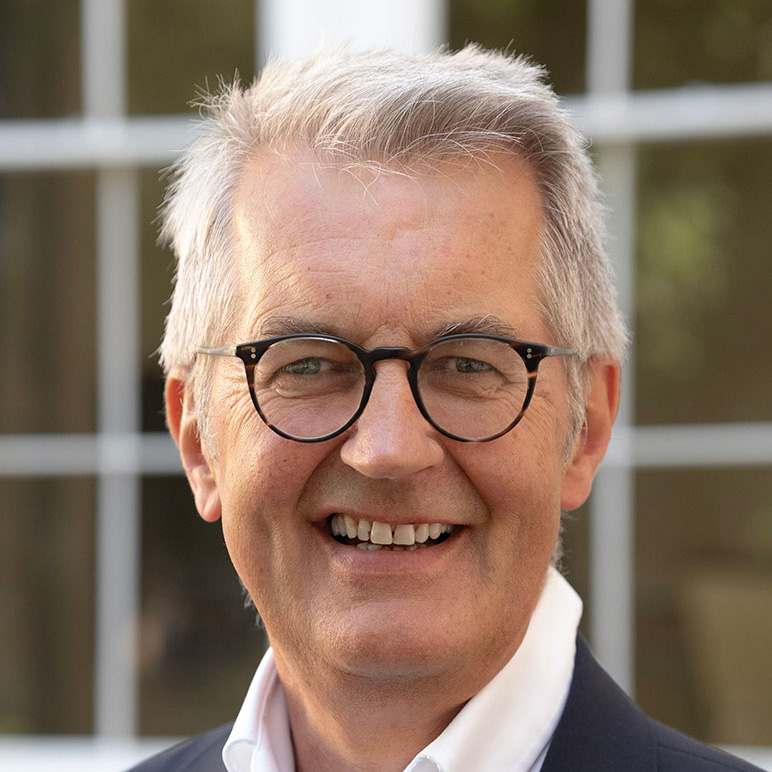
Prof. Tom Stephenson

Prof. Tom Stephenson

Technical Advisor

  • Former Chairman of British Water
  • Former Cranfield University Pro-Vice-Chancellor
  • Royal Academy of Engineering Fellow
logo if LinkedIn
Emmanuel Munjeri

Emmanuel Munjeri

Strategic Advisor

  • Bloomberg Metals & Mining analyst
  • Specialist in precious metals, iron ore and stainless steel 
  • Supply and demand modeller
logo if LinkedIn

Get in touch

Exploring resource recovery from wastewater? Let's talk.

We're looking to speak with:

  • Utilities and industrial operators about pilots and deployment partnerships
  • CVCs and strategic partners about scale-up and market access
  • VCs ahead of our seed round
Thank you! Your submission has been received!
Oops! Something went wrong while submitting the form.

Frequently Asked Questions

What does Metal Morph recover?

Water and wastewater treatment chemicals known as coagulants, which are aluminium and iron-based salts.

Which industries is the technology suitable for?

Any industry that uses aluminium and iron-based chemicals (coagulants) for water and wastewater treatment. This includes water utilities, oil and gas, fast moving consumer goods and mining.

Is this technology proven?

Yes, at bench scale following 50+ tests across three drinking water treatment plants. The results indicate that the technology recovers 90% of spent coagulants at 95% purity, with a 26% reduction in coagulation-related operating costs and up to 89% reduction in coagulant supply chain emissions. R&D is underway at Cranfield University to optimise the process for different feedstocks (municipal wastewater, industrial wastewater, mining wastewater) and scaling.

Who is Metal Morph currently working with?

Six UK water utilities covering 56% of the UK water market. Exciting discussions are underway to grow our partnerships in the UK, EU and US. This includes Belgium-based water utility company, Aquafin, following investment in the pre-seed round by Aqcelerator, the corporate venture arm of the company.

Does the technology require capital investment?

No. Metal Morph will deploy the technology using Infrastructure-as-a-Service contracts with zero capex requirements by the customer.

How does it integrate with an existing plant?

The technology will be deployed in a modular container with four main connection points to the existing plant: power supply, residuals in, recovered coagulant out and de-coagulated residuals out.

How is Metal Morph funded?

Pre-seed round raised in July 2026, which was co-led by Sustainable Ventures and Green Angel Ventures, with participation from Aqcelerator and Found Capital. A £100k innovation grant by Ofwat - the UK’s water services regulator - in July 2026 with potential to increase to £550k as milestones are met.

What is Metal Morph focussing on at the moment?

Metal Morph is building a portable pilot plant at Cranfield University and planning pilots with partners. Metal Morph is also preparing for seed fundraising in 2027.

What is it like to work at Metal Morph?

Every day brings a new challenge but you never feel alone in that challenge; teamwork makes the dream work.

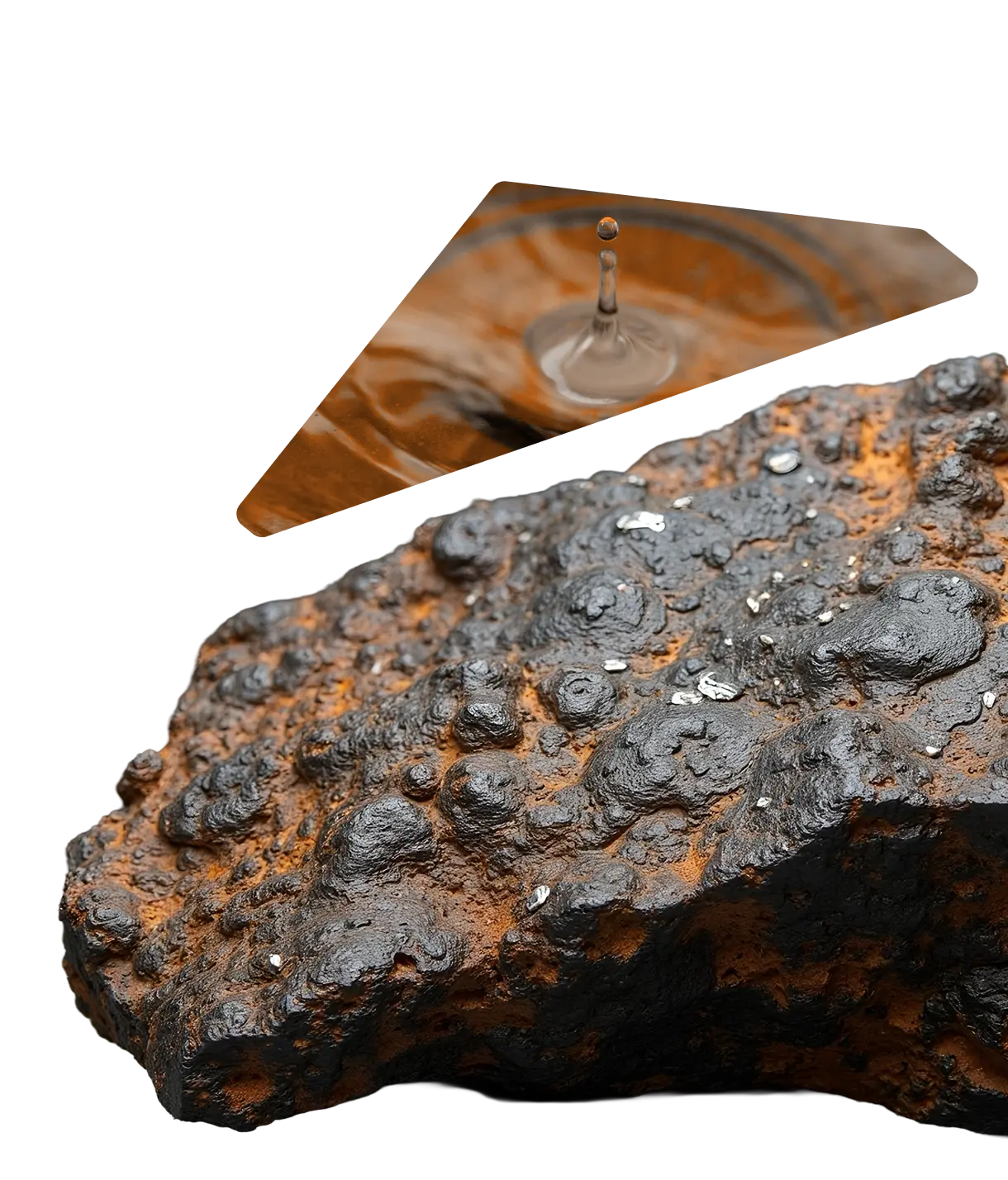
Image of an ore with a logo inspired shape filled with an image of water